
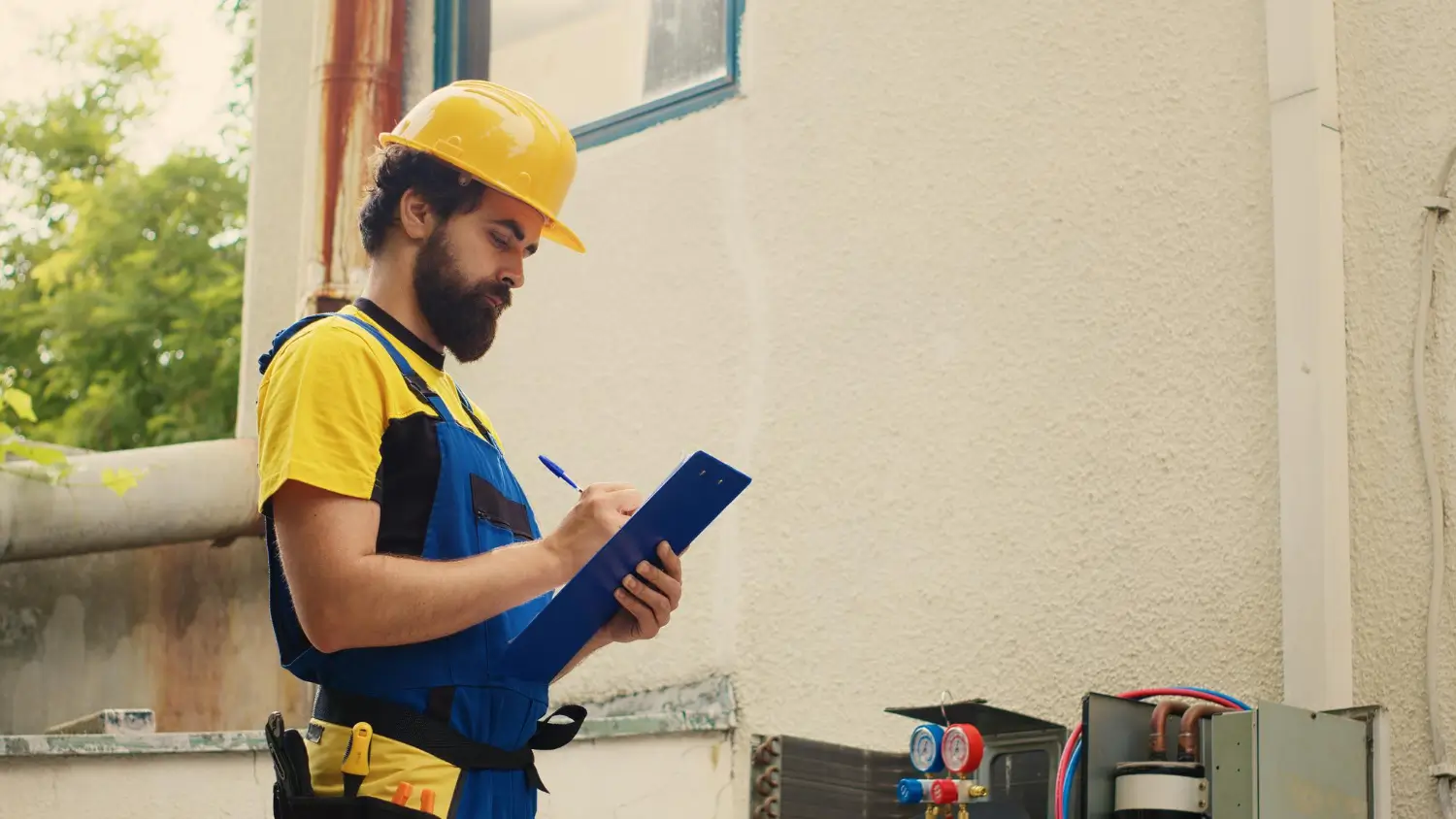
Move-in and move-out inspections protect your Pleasanton rental by documenting its condition at the start and end of every lease, giving owners a clear record to rely on for repairs, security deposit decisions, and long-term maintenance planning. Without that documentation, it's difficult to know whether wear happened before or during a tenancy, which can turn simple repair decisions into disputes.
According to Point2Homes, 27% of Pleasanton's rental housing was built between 1980 and 1989, which means many properties carry aging systems that benefit from a documented condition check every time a tenant turns over.
Key Takeaways
Move-in inspections create a documented baseline that protects both owners and tenants from day one.
Move-out inspections compare current condition against that baseline to separate normal wear from tenant damage.
Photo and written documentation supports fair, defensible security deposit decisions.
Pleasanton's housing age and rental density make consistent turnover documentation especially valuable.
Setting a Clear Baseline With Every Move-In Inspection
A move-in inspection gives owners and tenants the same starting point. Before a new tenant ever unpacks a box, we walk the property, document its condition with photos, and put the findings in writing.
Establishing a Documented Starting Point
This baseline matters because it removes guesswork later. If a wall gets scuffed or a carpet stains during the lease, the move-in report shows exactly what condition existed before the tenant took possession, which protects owners from absorbing pre-existing wear and protects tenants from being charged for damage that was already there.
Catching Existing Wear Before a New Tenant Arrives
With a meaningful share of Pleasanton's rental stock dating back several decades, move-in inspections often surface aging systems worth noting early, such as older water heaters, dated electrical panels, or worn weatherstripping. Flagging these details at move-in gives owners a head start on planning repairs instead of discovering them mid-lease.
What a Move-Out Inspection Reveals About Property Condition
When a tenant leaves, the move-out inspection is where the real comparison happens. We walk the property again, working directly against the original move-in report to see what changed.
Comparing Current Condition Against the Move-In Report
This side-by-side comparison is what makes the process fair. Normal wear, like light carpet fading or minor nail holes from hung photos, gets treated differently than damage, like a cracked tile or a broken cabinet hinge. That distinction directly affects what can be deducted from a security deposit under California law.
Spotting Roof, Plumbing, and Irrigation Issues Before the Next Lease
Move-out is also a natural checkpoint for catching problems tenants may not have reported. A slow roof leak can quietly stain drywall for months before anyone mentions it. Small drips under sinks or around water heaters often go unnoticed until they warp flooring. Broken sprinkler heads can waste hundreds of gallons before anyone flags the water bill. Catching these issues at turnover, rather than waiting for a new tenant to notice them, keeps small problems from becoming expensive ones.
Why Documentation Matters in the Inspection Process: Owners hand over access to their home, so the process has to be transparent. We document every move-in and move-out with photos and a written summary, and we share that report directly with you. That transparency is part of why our clients stay with us year after year.
Confirming Local Conditions That Affect Pleasanton Rentals
A few numbers help explain why thorough turnover documentation matters in this market. California's average rental vacancy rate held at 4.8% in 2025, according to firsttuesday Journal, below the state's long-term average and a sign of steady tenant demand. Nearly 41% of Pleasanton rentals have two bedrooms, per Point2Homes, and about 36% of rental homes in the city include children under 18, based on the same source, which raises the stakes for safety-related items like smoke detectors and stair railings at every turnover.
Verifying Tenants Are Holding Up Their End of the Lease
A move-out inspection confirms more than a home's condition. It shows whether a tenant held up their end of the lease, starting with the groundwork laid before move-in.
Screening sets the standard from day one. Before move-in, we complete a thorough tenant screening process that shapes how a home gets treated for the length of the lease.
Move-out gets measured against move-in. We check the property at move-out against the original move-in report and the lease terms.
Unauthorized pets get flagged. We look for signs of pets that were never approved, which can create damage or liability the owner didn't agree to.
Unpermitted alterations get caught. This includes a removed wall, an added lock, or other unapproved changes.
Neglect beyond normal wear gets documented. Untreated water damage or an unreported broken appliance gets addressed as part of the move-out process.
When we find a violation, we address it directly with the tenant first, and most issues resolve with a simple conversation or written notice. In rare cases where a tenant won't correct a serious violation, we walk owners through the eviction process so their home and rights stay protected.
Protecting Your Return on Investment Through Documented Turnovers
A well-documented turnover protects a property's value and speeds up the path to the next qualified tenant. Owners often ask how much this process actually affects their bottom line, and the honest answer is that a documented move-out almost always saves money compared to guessing at what changed during a lease. A $200 repair caught at turnover can prevent a $2,000 problem for the next tenancy.
FAQs About Move-In and Move-Out Inspections in Pleasanton, CA
What happens during a move-in inspection?
We walk the entire property with the incoming tenant's move-in paperwork, photograph every room, and note the condition of appliances, flooring, walls, and fixtures. That report becomes the reference point for the rest of the lease.
How does the move-out inspection affect my security deposit decisions?
California law only allows deductions for damage beyond normal wear and tear. The move-out inspection, compared directly against the move-in report, gives us the documentation needed to make those deductions fair and defensible.
What if a tenant disagrees with the move-out inspection findings?
We share the report and photos directly with the tenant. Because the findings are compared against dated, photographed move-in documentation rather than memory, most disagreements resolve quickly once both sides review the same record.
Do move-in and move-out inspections cover the same items?
Yes. Using the same checklist for both ensures an accurate, apples-to-apples comparison rather than two inspections measuring different things.
How do maintenance issues get handled between move-in and move-out?
Move-in and move-out inspections anchor the tenancy, but they aren't the only way issues get caught. Maintenance requests and vendor visits during the lease address problems as they come up, so owners aren't relying solely on two inspections to catch everything.
A Documented Approach to Protecting Your Pleasanton Rental
Keeping a rental property in good shape takes more than good intentions. It takes a consistent process and clear documentation at the moments that matter most. That's what we do at Silver Creek Property Management, and it's why move-in and move-out inspections sit at the center of how we manage homes across Pleasanton.
You deserve a management approach that protects your investment at every transition. See how our maintenance and inspection process works to protect your property from one tenancy to the next.